
My Intro inTo the world of The Cure
……….from a forward that I wrote for a book called ‘The Cure - All That’s Left To Know About The Most Heartbreakingly Excellent Rock Band The World Has Ever Known’ by Christian Gerard.
[the part about the making of Never Enough is covered in more detail in a separate blog of mine]
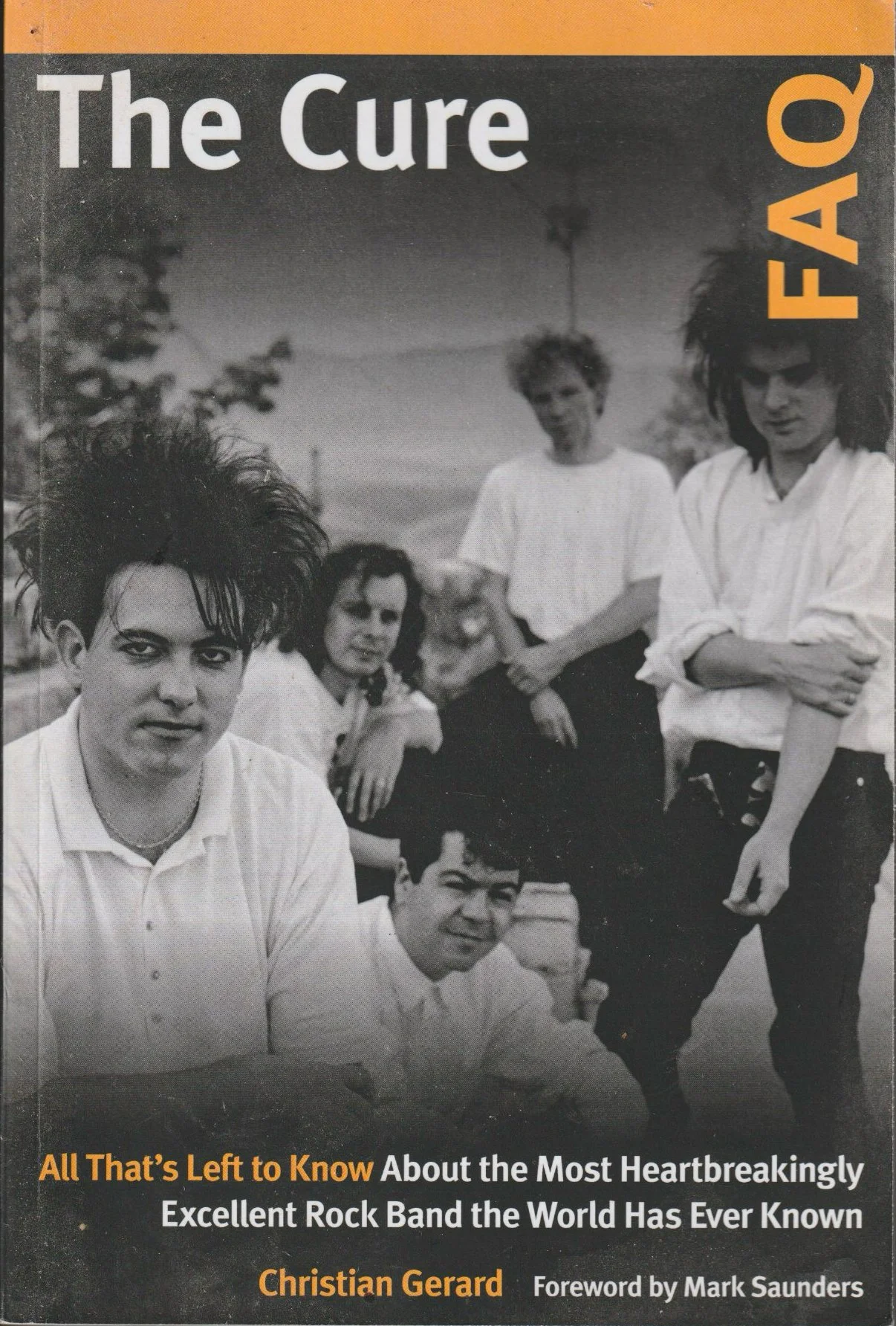
Firstly, I have to admit to being late in discovering the Cure….I know…it’s shocking….I’m sorry! I think it was around the Head On The Door era. I’d already started working in studios at that time and I came home one night at an unusually reasonable time - early enough that there was still TV shows being broadcast. I switched on the TV and there was the Cure playing live….in the middle of ‘Inbetween Days. I think that it was the last song of their set and a couple of minutes later the end credits came up on the screen and it was all over ’. What an excellent intro to the band though! I was blown away by them.
In 1984 I got my first job as an assistant engineer (which is English for ‘tea boy’!) In West Side Studios in West London - owned by the very successful production duo of Clive Langer and Alan Winstanley (Madness, Dexy’s Midnight Runners, Teardrop Explodes, Elvis Costello and later on Bush). About a year later the studio was booked for a day by Fiction Records, the Cure’s record label, for a remix of The Cure’s perfect pop song ‘Boys Don’t Cry’.
At the start of the session, the legendary Cure producer Dave Allen handed me a tape box containing the precious 24 track master tape of ‘Boys Don’t Cry’ and asked me to load it up on the tape machine. Upon opening the box I was met with an extremely strong musty smell and then saw that the tape itself appeared to be discoloured and stained with mold. I turned round with no doubt a shocked expression to Dave who said ‘I know! It has supposedly been professionally cleaned’. The studio tech guy was very sceptical about playing this nasty looking tape on his treasured £30,000 Studer A800 tape machine but he conceded in the end.
After threading the tape on the machine I tentatively pressed the ‘play’ button and expected the sound to be anything but pristine - but to the surprise of of all present, ‘Boys Don’t Cry’ popped out of the speakers sounding amazingly none the worse for wear and positively eager to be remixed. It sounded amazing actually - especially those iconic clean rhythm guitars! The resulting mix was the version put on the best of album Standing On The Beach I believe.
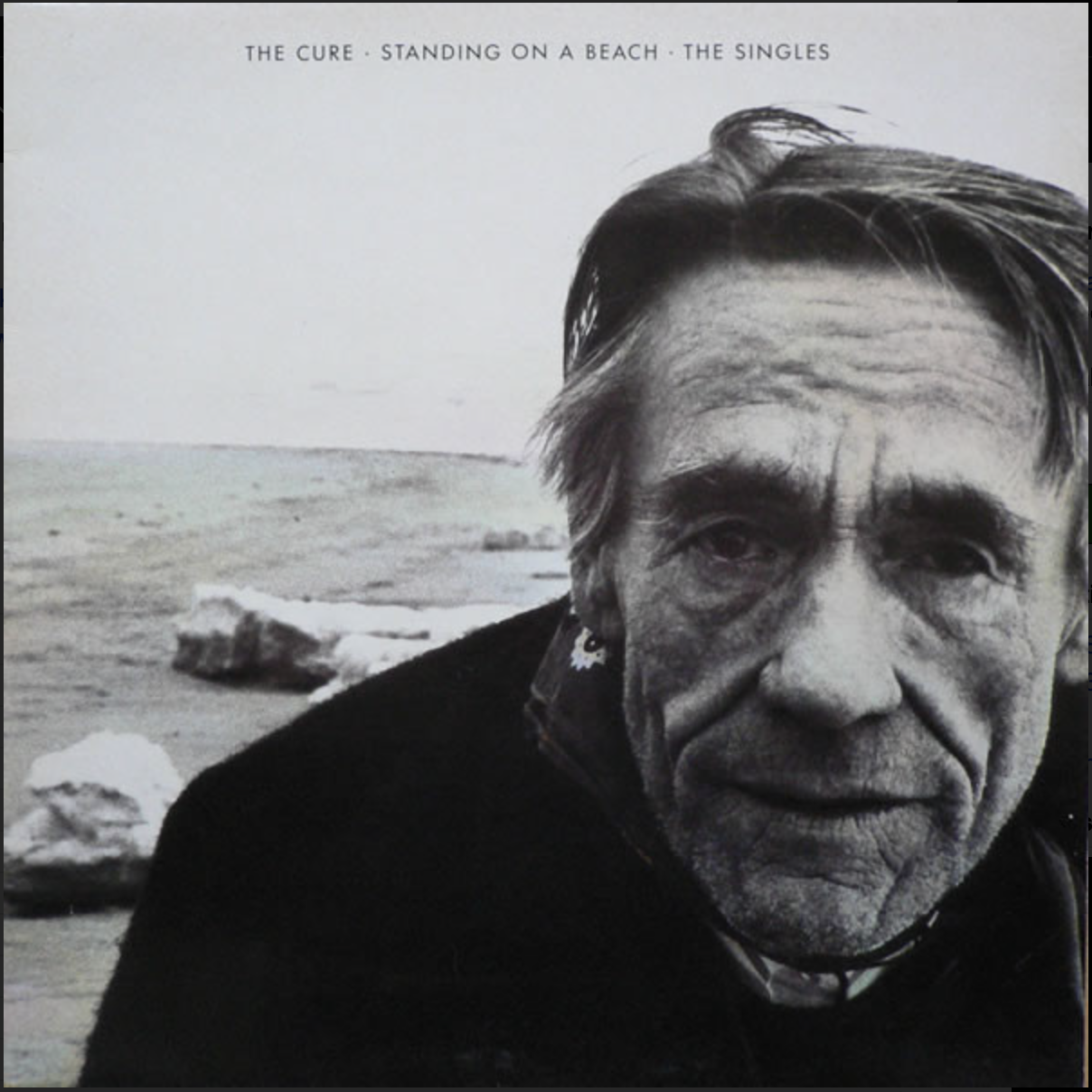
It turned out that the reason for the tape’s precarious state was a leaky washing machine in Chris Parry’s basement. Chris was the somewhat relaxed boss of Fiction Records and the man that signed the Cure and helped them in the direction of goth stardom. He had pretty great musical taste because he also signed Siouxsie and The Banshees and The Jam to Polydor Records prior to signing the Cure to Fiction. Polydor hadn’t wanted to back his enthusiasm for the young Robert Smith et al so basically Chris promptly left Polydor, formed Fiction Records and signed The Cure to the band.
He offered the band a 50/50 split - publishing and record sales….an extraordinary good deal for the band. Most regular big labels offered a band - especially a new band - something like 15/85 split in the label’s favour. Both Chris and the band did extremely well out of this deal - Chris didn’t have massive overheads like a big label - and he didn’t sign a load of bands that never made it (unlike big labels!). Also, Robert and the band stayed with Chris and Fiction until Chris packed it in and sold Fiction to Universal, a label giant in the early 2000s.
In the early Cure years, Chris had apparently thought that keeping some of the band’s precious multitrack tapes in the basement near his washing machine was just fine. Later on, in the sessions for the Mixed Up album, in order for me to remix ‘A Forest’ and ‘The Walk’, I’d have to re-record the two songs from scratch as the multitrack tapes for those two legendary songs were missing. It seems that cataloging, preserving and archiving it’s main source of income’s greatest assets wasn’t one of Fiction’s strong points.
After being honoured to be present for the ‘Boys Don’t Cry’ remix, my next interaction with The Cure happened a couple of years later when I’d graduated from making the tea to actually making records. In 1986 I’d worked with Dave Allen at West Side Studios as an engineer on three tracks for a newly signed band to the hugely successful Geffen Records (Guns and Roses, Motley Crew and Aerosmith). The Chameleons, from Manchester, were flown to Antigua to sign a massive deal with Geffen, who had great expectations for the band to be ‘the next U2’. This they possibly might have have been except for the fact that they broke up before their first album ‘Strange Times’ got released!
Unfortunately (or fortunately in hindsight), in 1985 Dave Allen had persuaded me to leave West Side Studios to become a freelance engineer in order to engineer the Chameleons for him and it was a bit early in my engineering career to be waltzing off into the more precarious world of freelance engineering - I didn’t at that time have a big discography of hits that I’d worked on under my belt. So, very kindly, Dave asked the nice folks at Fiction Records if they could help me find some work - as I’d stuck my neck out on the line to do the The Chameleons album with him. Fiction were already managing Dave as a producer, finding him other work in between Cure projects.
Chris Parry was yachting around the world at this point being a tax exile and would be for a couple more years so it was a long time before I finally got to meet him. In the meantime, Fiction found me some cool work and my career in the more pop/electronic field was flourishing. When Chris arrived back on dry land, I’d just finished working on Neneh Cherry’s ‘Raw Like Sushi’ album and her biggest hit ‘Buffalo Stance’ had done very nicely in the charts - and it was my first co-production. When I met with Chris for the first time, he’d just heard the finished album and liked it a lot - so much so that he managed to snag a share of the publishing on it! Chris said, “I’ve got to get you to meet Robert - maybe you guys could work together on something”. This sounded like a pretty great idea to me!
My first meeting with Robert was a little strange and intimidating to be honest. I seem to remember Robert sitting at 90 degrees to me and barely making eye contact - and also mainly talking to me through Chris, rather than directly to me. As weird as it was, though the idea of me doing a radio friendly single mix of ‘Lullaby’ from the epic ‘Disintegration’ album came out of that first meeting.
Working on ‘Lullaby’ was a big moment for me. Like the rest of Disintegration, it was beautifully recorded by Dave Allen and sonically gorgeous. I was nervous though because I worked alone for a long time on the mix and Robert only came in to listen at the end. When Robert came in, he was completely different than he had been at our first meeting - he was relaxed and perfectly communicative. He liked the mix and I don’t remember any drastic changes being made apart from his vocal levels - Robert loves his vocals to be loud!
I also made the extended version of ‘Lullaby’ that would later appear on ‘Mixed Up’ during the same studio session and when Robert listened to it for the first time, I was extremely tense because I’d added a few little bubbly synthesiser lines and I wasn’t sure if this crossed some kind of delicate mixer/artist boundary. Would my trivial musical offerings be accepted into Lullaby’s quietly epic piece? Or would they be immediately trashed with a warning never to pollute what was clearly a work of perfection that obviously needed not another note?! It was a huge relief to see Robert’s eyebrows lift up followed, quickly, by a nod of approval my way at the moment my first synth part crossed the tape’s playhead in the mix.
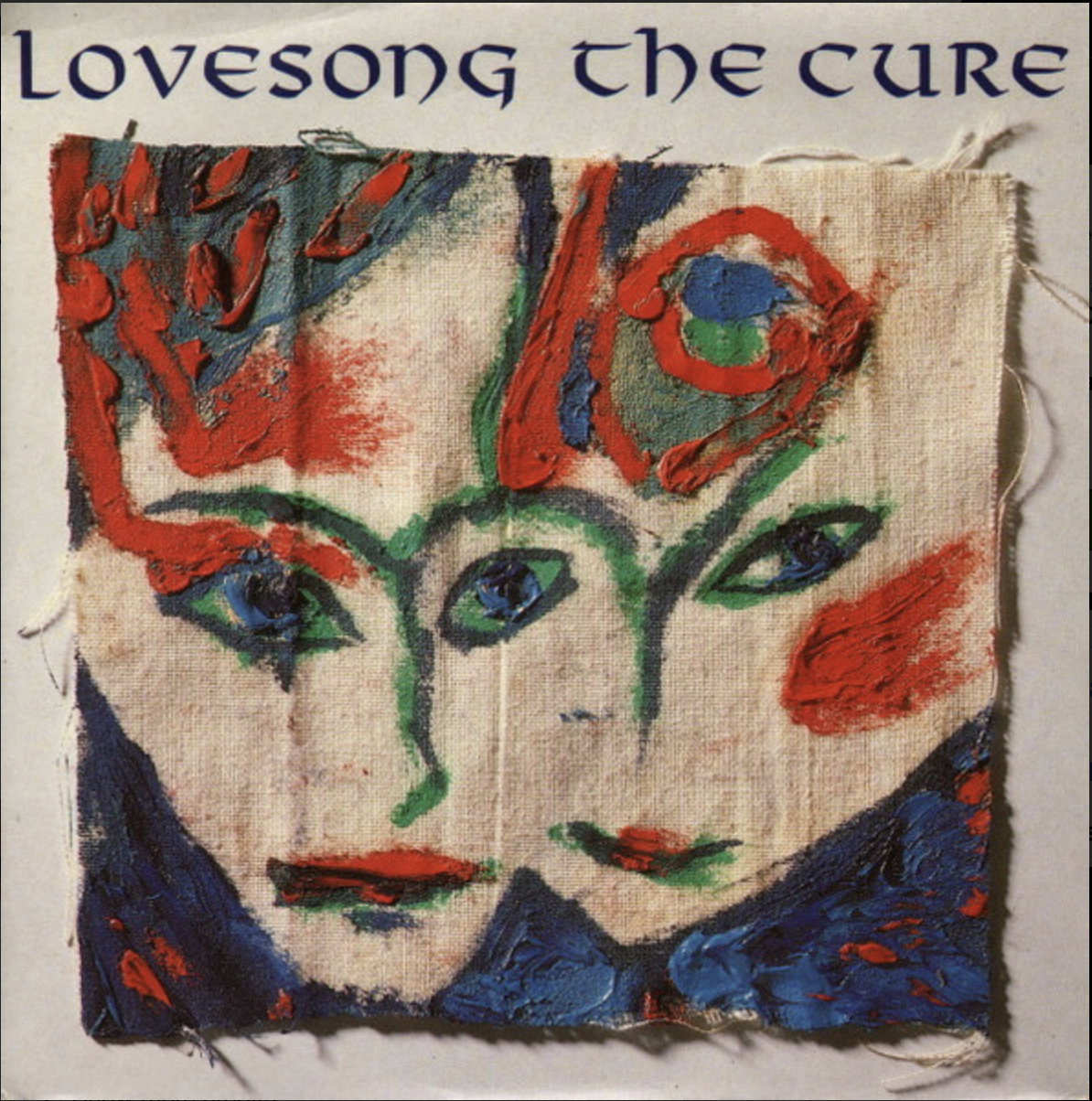
Mixing the single release of ‘Lovesong’ was pretty epic for me. I remember Chris Parry calling me saying that he wanted me to work on a more radio friendly version of Lullaby but the sticky part was that The Cure were on tour and he wanted Robert to check the mix before we called it a wrap. Fortunately this meant we’d have to go to Paris, because that was the only place the Cure were going to be for two nights on the tour and Chris figured we might need two days to work on the song. The Cure were playing two sold out nights at the Bercy arena - about 16,000 people per night. France were huge in France at the time and I was really excited at the prospect of getting to one of those gigs. Chris said he’d pick me up at my place in west London.
On the day of the session I was pacing around my flat because Chris was very late picking me up to get to Heathrow airport for our flight to Paris. This was before cell phones so I had no way to know where Chris was or how long he’d be. Finally a cab pulled up outside my place and I ran down and jumped in. 'I can't see how we’re possibly going to make our flight now’ I said Chris - to which he replied in his relaxed kiwi accent ‘Don’t worry Mark, we'll be fine - oh, by the way, I need to stop on the way because I need some cigarette papers’. Before I get to finish my sentence explaining that there’s no way that we have time to do that, Chris is telling the cab driver to pull over and out he hops and runs into a corner shop in Shepherds Bush. He gets back in and announces that they didn't have any papers and asks the driver to pull over at the next likely shop he sees. I get as far as ‘But Chris, we really….’ before he reassures me that we’ve got plenty of time.
Finally we get to the check in counter at Heathrow - at about the time our plane is due to take off. I’m completely stressed out and Chris is totally chilled. The check in lady says ‘Don’t worry Mr Parry, your flight is delayed by one hour’ - and Chris turns to me and says in all seriousness, ‘See - I told you there was nothing to worry about!’.
I forget the name of the studio in Paris but it was a concrete underground bunker in the Pigalle district - at the time, the seedy red light area of the city. The mix initially went pretty swiftly and I had visions of finishing in plenty of time to get to Bercy to see the show - but in the early evening when it was time to start laying the mix down to the half inch tape machine and call it a day, the SSL mixing console started making thunder like noises and we couldn't lay down the mix without some loud weird rumbling noise ruining the mix. And in typical French recording studio style, when I asked if we could get a maintenance engineer asap, the French assistant shrugged his shoulders and said ‘I am very sorry, he is skiing, he always skis the whole of March’. It was March of course. This wasn’t what I wanted to hear - in London there would nearly always be a maintenance guy on duty or on call in a decent studio - especially if the client was someone as big as The Cure.
We resorted to laying down the mix to the half inch until we’d hear the thunder, then wait for the noise to go away and then lay down the next section until the next bout of thunder etc etc. I then had to edit the pieces together to create the full length mix. This was very frustrating as the mixing desk noises were getting more and more frequent and I was quite expecting that it would die completely at any moment.
Finally, we had the whole master mix edited together on the tape machine and Chris Parry and I jumped in cab and headed to Bercy…..we rushed into the venue just in time to hear Robert yell….’GOODNIGHT PARIS!!!!’ and watch the band wave and leave the stage for the night to fantastic applause!
The only consolation was that I did get to travel on the Cure’s tour bus back to the hotel and see lots of Goth-filled little Citroens, Renaults and Peugeots fluttering around the Cure’s bus like moths as we drove through the heart of Paris with very stylish French goths hanging precariously out of car windows screaming and waving to the band in the bus.
To top it all off. Lovesong is their highest charting single in the US. Number two.
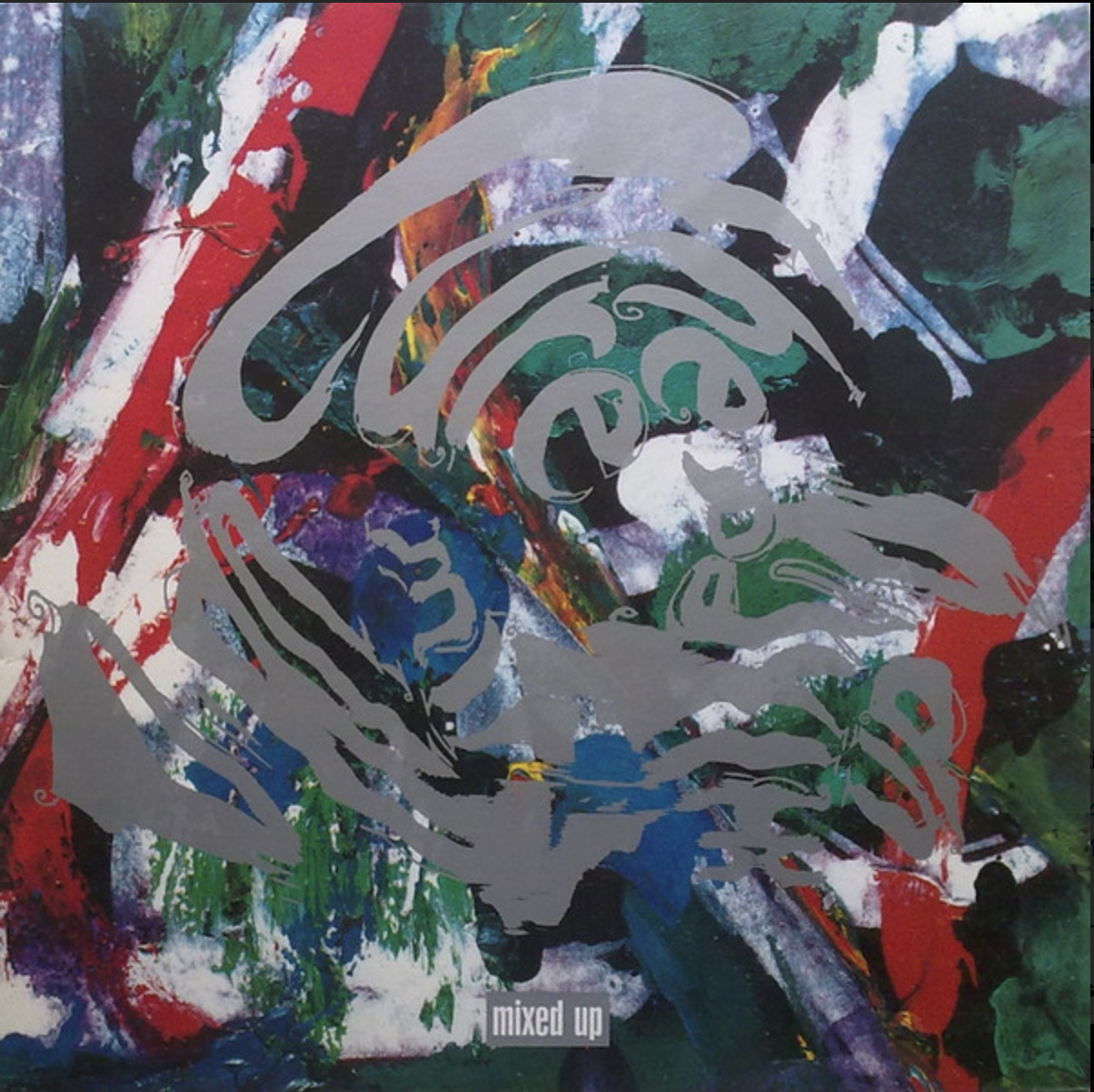
For my remixes of ‘A Forest’, ‘The Walk’ and ‘Let’s Go To Bed’ done during the ‘Mixed Up’ album sessions, I got to play along, add parts galore, manipulate and twist the original parts as much as I wanted - the ultimate creative license. Except, that Robert ultimately would decide the mix’s fate - to be used on the album, or ditched. These remixes were immense fun though - especially ‘A Forest’, my favourite of all the Cure songs. My ‘Let’s Go To Bed’ remix didn’t make it onto ‘Mixed Up’ though - but was released separately later on.
Most of my work with The Cure has been mixing or remixing work but two songs I recorded with them from scratch - ‘Harold and Joe’ and ‘Never Enough’. The Cure needed a new song to add on the ‘Mixed Up’ album and Robert booked a few days at a residential studio in Surrey.

As I walked in the studio on the first day, I passed a room in which I saw the longtime Cure roadie Perry Balmonte standing at a keyboard with a pair of headphones on and he gave me a nervous little wave. I was informed that Robert had just fired Roger O’Donnell and had given Perry the promotion from roadie to keyboard player in The Cure - quite the step up! Perry was frantically learning the keyboard parts for an upcoming tour!
Robert told me that he wanted to try something with more of an electronic feel for the new song on Mixed Up. So it ended up with just myself and Robert working in the studio control room working on what would become Harold and Joe. Whenever we took a break to eat or I left the conrol room, I would get negative vibes from the band and I soon realised that they were getting bored and pissed off that they weren’t part of the recording process and this peaked when Robert popped out of the studio to use the bathroom as Simon, Porl and Boris stormed into the live room and start jamming together whilst occasionally glaring at me through the glass - like it was my idea to go the electronic direction!
In the live room there was one microphone set up for Robert to sing into - a beautiful vintage Neumann U47 if I remember correctly. I opened the channel on the mixing desk into which this U47 was plugged to hear what the rest of the band were playing. I was blown away - it sounded really tough and and understandably full of angst - it was really exciting! When Robert reappeared I said ‘Robert you have to hear this!’ And in a few seconds later, Robert was in the live room working on what would be ‘Never Enough’. It all happened really fast. My assistant mic’d up the drums, bass and guitar as the band worked out the song and in what seemed like a very short space of time, they were ready to record the backing track. Now, according to the album liner notes, Robert’s recollection is that Simon, Boris and Porl were jamming on a riff that Robert had demo’d previously - this maybe so because I hadn’t heard the demos for this session except ‘Harold & Joe’. But - I’m convinced that musically, the basis of ‘Never Enough’ came out of the trio jamming in the live room and then Robert quickly joined them and wrote the lyric and melody on the spot.
‘Harold and Joe’ got quickly finished off after we’d recorded ‘Never Enough’ but I wish we’d spent a bit more time on it because I think it could have been more sonically and musically interesting, it sounds a bit basic to me - but a cool little song nevertheless.
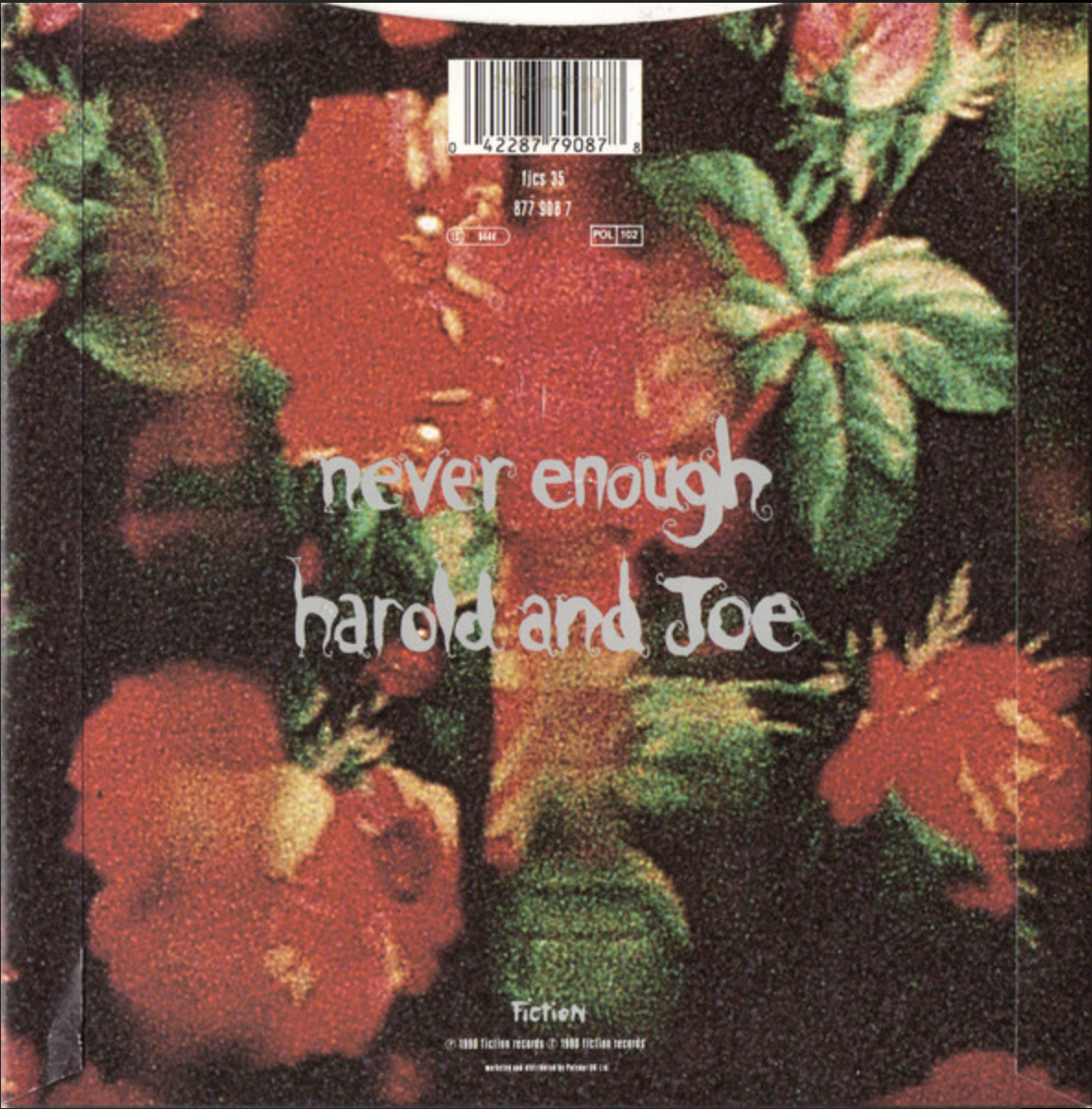
When I got to mix ‘Never Enough’ at Master Rock studios in west London, I’d just got my very first computer that could record audio onto a hard drive. It was the very first piece of software that Digidesign (the makers of the now industry standard Pro Tools digital audio workstation) ever released. It was called Soundtools and it was brilliant. It could only record two channels of audio so it’s use was quite limited but brilliant for editing mixes and remixes. I used it to loop the opening lick of Porls guitar riff on Never Enough because I think Porl only played it in that particularly groovy way once that I liked and I wanted to hear it again and again. Without my new piece of software, this would have been much trickier. For me this new technology was groundbreaking. No longer did I have to splice pieces of magnetic tape together with a piece of sticky tape. With magnetic tape, if an edit didn’t work, we’d have to pick the sticky tape off with our finger nails, put in the piece of tape we took out, splice it all back together again and start over. With my Atari Mega ST computer and Soundtools, I hit the ‘undo’ button instead! It was a thing of beauty!
When I went to see The Cure at a gig not long after that mix session, Porl came bounding up to me backstage to profusely thank for the mix of ‘Never Enough’ - he said ‘I’ve never been so heavily featured on a Cure song before!’. He certainly sounded fantastic on ‘Never Enough’.
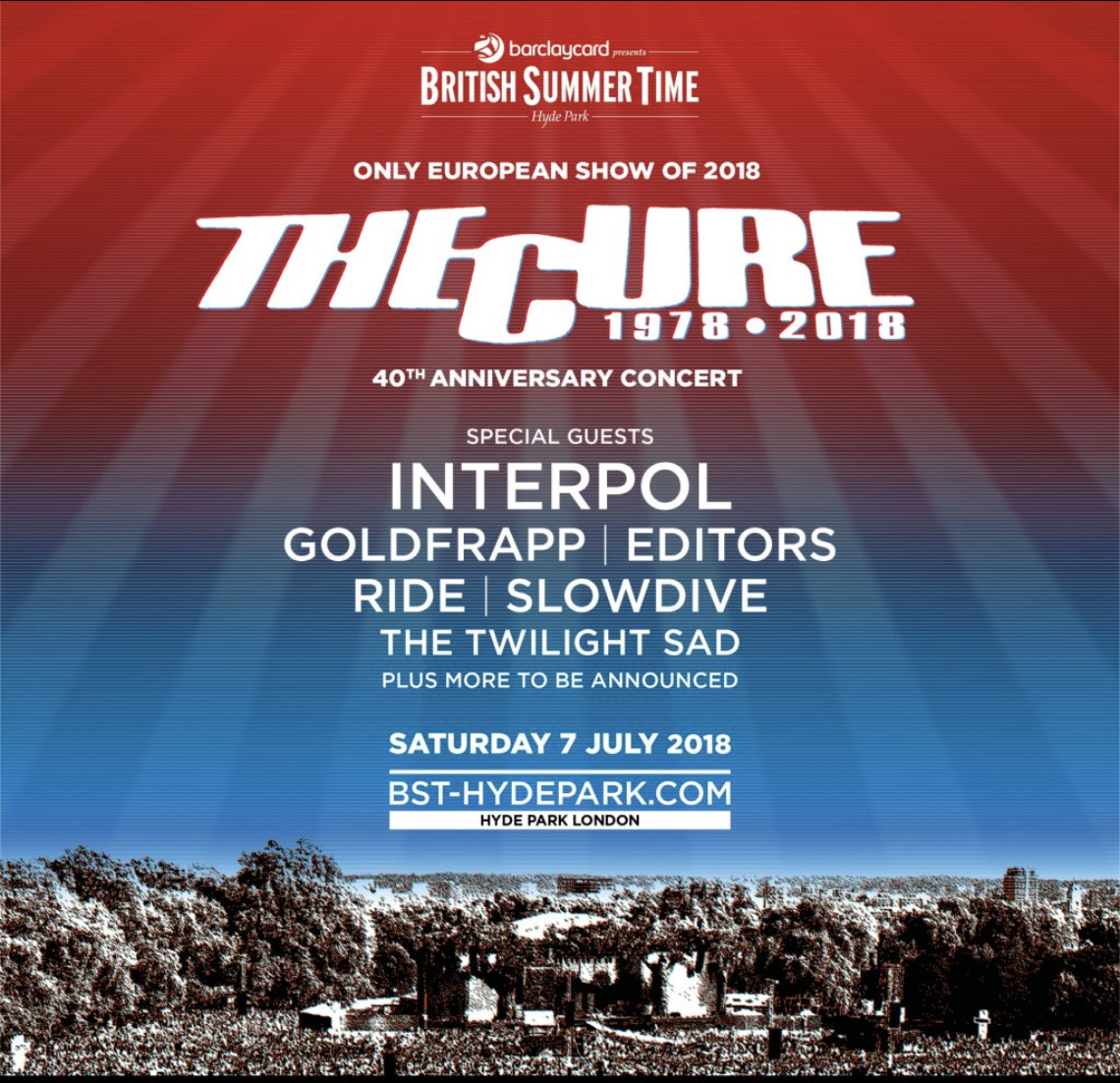
I recently saw The Cure headline a 2018 British Summertime Festival gig at Hyde Park in front of 50,000 people on a scorching hot day in July. As good as the other bands were on that day - including Interpol, The Editors and Goldfrapp - it was amazing to me at what a higher level The Cure operated on that day. Forty years to the day from the bands' first ever gig and they sounded incredibly youthful, urgent, intense and energetic with Robert’s voice sounded as good as it had ever done. They played for over two hours and I was in awe of how many of the crowd were singing along with nearly every word of almost every song.
There’s no doubting the brilliance of The Cure and Robert’s genius songwriting but it’s always struck me as bizarre that Robert, the ultimate king of goth, could get away with flitting between releasing some of darkest riff laden, not-for-the-feint-hearted-listener works to writing some of the most fantastic, feel good, ‘soppy’, romantic love songs ever!
Imagine you’ve discovered The Cure in the early days and by the time the album ‘Pornography’ comes out, you are fully gothed up…..it takes you hours of makeup and wardrobe work before you can ever leave the house - and of course, that would be only under the cover of darkness. Then skip ahead a year and you rush to the record store, possibly even risking exposure daylight, to pick up your pre ordered copy of ‘Japanese Whispers’. You get home, and with trembling black nailed hands you place the record on the deck put the needle down and you’re greeted by the positively chipper ‘Let’s Go To Bed’! Boy, I’d have loved to have been a fly on the wall at that moment! In theory, by the time you got to track 8, ‘Lovecats’ should have sent you into a complete pop induced tizzy. You’d think their would have been a goth revolution with Cure records being smashed and burnt in the streets.
But luckily for us all, Robert, God bless him, somehow brilliantly pulled off this musical dichotomy.